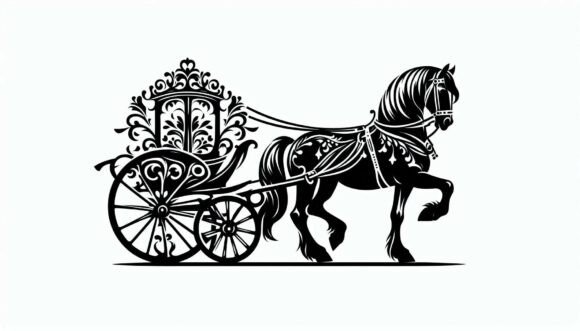
Horse Pulling a Cart: A Strategic Asset for Visual Storytelling and Brand Positioning
In the crowded digital marketplace, the choice of imagery often dictates the first impression a brand makes on a potential customer. The concept of a Horse Pulling a Cart is not merely a nostalgic nod to the past; it is a versatile visual metaphor that can be strategically deployed to communicate reliability, heritage, rustic charm, or traditional craftsmanship. When integrated thoughtfully into marketing materials, this specific imagery serves as a powerful anchor for brands seeking to differentiate themselves through authentic storytelling. Whether you are an entrepreneur launching a new product line or a marketer refining an existing campaign, understanding how to leverage a high-quality Horse Pulling a Cart digital illustration can significantly enhance your visual communication strategy.
The Strategic Value of Traditional Imagery in Modern Design
Modern design trends frequently oscillate between ultra-minimalism and rich, detailed illustration. In this landscape, a Horse Pulling a Cart offers a unique opportunity to ground a brand in tangible reality. Unlike abstract vector shapes that can feel sterile, this imagery evokes a sense of movement, purpose, and history. It suggests that the brand values quality and endurance over speed and disposability. For small business owners and creators, this visual cue can be the difference between blending into the background and standing out as a purveyor of authentic goods.
When you acquire a package containing four high-resolution JPEG files of this subject, you are investing in a resource that supports commercial use across multiple platforms. The strategic advantage lies in consistency. By using a cohesive set of illustrations, you ensure that your website, social media, and physical products all speak the same visual language. This consistency builds trust with your audience, signaling professionalism and attention to detail. A well-executed Horse Pulling a Cart graphic does more than fill space; it reinforces the narrative that your business is built on solid foundations.
Maximizing Utility Across Diverse Marketing Channels
The true power of a premium digital asset lies in its adaptability. A single Horse Pulling a Cart illustration can serve as the cornerstone for a comprehensive marketing campaign. For entrepreneurs managing their own creative output, having access to high-resolution files allows for seamless integration into various tools like Canva or Procreate. This flexibility is crucial for maintaining agility in a fast-paced market.
- Website Illustrations: Use the image to break up text-heavy sections on landing pages, guiding the user's eye toward key calls to action while reinforcing the brand's thematic identity.
- Print-on-Demand Products: The detailed nature of these graphics makes them ideal for clothing printing. Imagine a hoodie or sweatshirt featuring a stylized horse and cart; it instantly communicates a lifestyle of adventure and tradition to the wearer.
- Merchandise and Packaging: From tumbler wraps to vinyl stickers, these assets transform generic items into branded experiences. A sticker on a laptop or a mug in an office setting acts as a subtle, continuous advertisement for your brand.
- Invitations and Cards: For events or seasonal promotions, incorporating this imagery adds a touch of elegance and warmth that digital templates often lack.
By diversifying where you apply the Horse Pulling a Cart graphic, you maximize the return on investment for the digital asset. Instead of purchasing separate images for each application, a strategic approach involves selecting a core set of visuals and adapting them to fit different contexts. This method not only saves time but also ensures that your brand remains recognizable whether a customer encounters you online or in a physical store.
Integrating Assets into Creative Workflows
For freelancers and designers, the workflow efficiency gained from using pre-made, high-quality clipart cannot be overstated. When you have a clear goal, such as creating a series of marketing materials for a rustic coffee shop or a vintage-themed boutique, starting with a strong base image like a Horse Pulling a Cart accelerates the design process. You can import the JPEG files directly into design software, manipulate layers, adjust colors to match your brand palette, and overlay text without compromising resolution.
This approach allows creators to focus on higher-level strategic decisions rather than getting bogged down in the minutiae of drawing every element from scratch. However, it requires discipline. The temptation to simply "drop and go" can lead to generic results. To achieve better outcomes, the image must be curated and contextualized. Ask yourself: Does this image support the message I am trying to convey? Does it align with the tone of my copy? If the answer is yes, then the Horse Pulling a Cart becomes a strategic partner in your communication plan.
Planning for Long-Term Brand Consistency
Successful branding is rarely accidental; it is the result of deliberate planning and consistent execution. When integrating a specific theme like a Horse Pulling a Cart into your visual identity, consider the long-term implications. Will this imagery remain relevant as your business evolves? Is it flexible enough to adapt to new product lines or seasonal campaigns?
Strategic planning involves looking beyond the immediate project. If you are building a brand around the concepts of journey, delivery, or heritage, this imagery serves as a timeless symbol. It avoids the trap of fleeting trends that date quickly. By anchoring your visual identity in a classic motif, you create a brand presence that feels established and trustworthy. This is particularly important for decision-makers who need to present a stable front to investors, partners, and customers.
Furthermore, consider the technical specifications of your assets. High-resolution JPEGs are essential for print applications like bags, mugs, and large-format signage. Low-resolution images can pixelate when scaled, damaging the professional perception of your brand. Ensuring that your files are suitable for both web and print use prevents costly rework and maintains quality control across all touchpoints.
Risks of Contextless Usage
While the versatility of a Horse Pulling a Cart illustration is an asset, it also carries risks if used without clear intent. Placing a rustic image alongside a modern, tech-focused product without a unifying narrative can create cognitive dissonance for the consumer. It may confuse the audience about what the brand stands for, diluting the impact of your messaging.
The danger lies in treating the image as mere decoration rather than a communicative tool. If the visual does not align with your value proposition, it becomes noise. For example, using a traditional horse and cart to promote a cutting-edge cybersecurity service might send mixed signals unless there is a very specific, clever angle being taken. Always evaluate the context before deploying the graphic. Does it reinforce the core message? Does it help the customer understand the benefit of your offering? If not, reconsider its placement or usage.
Decision-Making Framework for Visual Assets
To make better decisions regarding the use of digital illustrations, adopt a framework that prioritizes alignment with business goals. Before finalizing a design, ask three critical questions:
- What is the primary objective? Are you aiming to evoke nostalgia, signal reliability, or highlight a specific product feature?
- Who is the target audience? Will adults aged 20–50 resonate with this imagery given their cultural associations and preferences?
- How does this integrate with the broader ecosystem? Does this image work harmoniously with your logo, typography, and color scheme?
Answering these questions ensures that the Horse Pulling a Cart is used intentionally. It transforms the asset from a random graphic into a calculated element of your brand strategy. This level of scrutiny is what separates successful marketing campaigns from those that fail to connect.
Operational Efficiency and Resource Management
From an operational standpoint, having a ready-to-use package of commercial-grade images streamlines production. For small business owners wearing multiple hats, time is a finite resource. Being able to quickly generate professional-looking marketing materials using pre-existing, high-quality assets allows you to allocate more time to core business activities like customer service, product development, and strategic planning.
Whether you are preparing a batch of invitations for a launch event, designing a new line of printed t-shirts, or updating your website banners, the availability of these files reduces friction in the creative process. It empowers you to execute ideas rapidly without sacrificing quality. This agility is a competitive advantage in today's market, where speed to market can determine success.
Conclusion: Intentional Creativity Drives Results
The decision to incorporate a Horse Pulling a Cart into your visual strategy should be driven by a clear understanding of your brand's identity and goals. When used with intention, this imagery can elevate your marketing materials, strengthen your brand positioning, and resonate deeply with your audience. It offers a bridge between tradition and modernity, providing a rich visual texture that enhances storytelling.
However, the effectiveness of any visual asset depends on how well it is integrated into a cohesive plan. Avoid the pitfall of using graphics randomly; instead, treat them as strategic tools that support your broader objectives. By focusing on high-quality resources, maintaining consistency across channels, and aligning visuals with your core message, you can achieve better results and build a lasting connection with your customers. In the end, the most powerful designs are those that are not just seen, but felt and understood.