Whimsical Tea Tulips Line Art Clipart: A Practical Asset for Creative Workflows
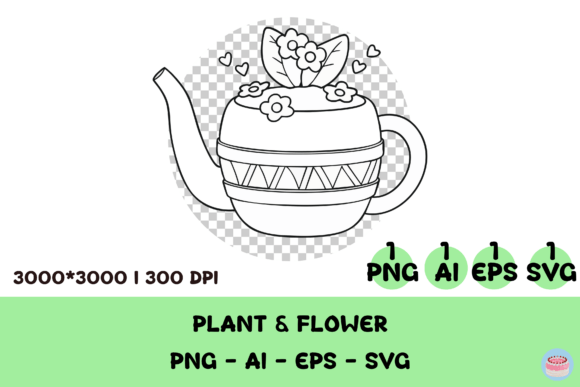
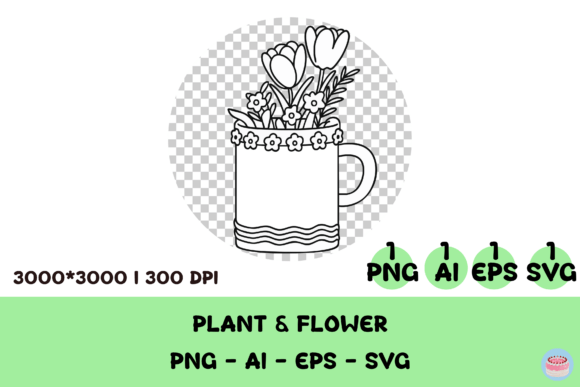
In the realm of digital design, the selection of assets often dictates the efficiency and aesthetic cohesion of a final project. The Whimsical Tea Tulips Line Art Clipart represents more than just a decorative image; it is a strategic tool for creators operating within specific niches such as Cottagecore, Tea Lover communities, and Spring-themed collections. This unique black and white line art features a cluster of tulips and small accent flowers nestled inside a decorated coffee mug, complete with a cute flower border and wavy lines that add a distinct touch of whimsy. For professionals and hobbyists alike, understanding how to integrate this asset into a broader production workflow can significantly streamline the path from concept to finished product.
Defining the Asset and Its Strategic Value
The core value of the Whimsical Tea Tulips Line Art Clipart lies in its versatility and thematic precision. Unlike generic floral illustrations, this design combines two potent visual symbols: the springtime renewal of tulips and the comfort associated with a morning cup of tea or coffee. The line art style ensures high compatibility with various print-on-demand (POD) methods, particularly sublimation, where clean lines translate exceptionally well onto ceramic surfaces. By offering the file in four distinct formats—PNG, AI, EPS, and SVG—the asset supports a wide range of technical requirements, from raster-based web graphics to vector-based large-format printing.
For a small business owner or freelancer, the decision to use this clipart is often driven by market analysis. The combination of "Cottagecore" and "Tea Lover" aesthetics targets a demographic that values nostalgia, nature, and slow living. Using this specific imagery allows creators to capture low-competition search terms while maintaining high visual appeal. The inclusion of the mug planter element transforms a standard floral arrangement into a narrative piece, suggesting a story of home gardening and cozy domesticity. This narrative depth is crucial when designing products intended for emotional connection, such as personalized greeting cards or kitchen decor signs.
Integration into the Pre-Production Phase
Effective utilization of the Whimsical Tea Tulips Line Art Clipart begins during the planning stage of a creative project. Before opening any design software, it is essential to define the target audience and the specific application of the graphic. If the goal is to create a line of Mug Sublimation designs, the creator must consider the curvature of the mug and how the tulip cluster will wrap around the vessel. The wavy lines on the mug in the original artwork provide a natural guide for this wrapping process, ensuring the design feels organic rather than forced.
During this preparation phase, file organization is paramount. Since the package includes AI, EPS, and SVG files, these vector formats should be prioritized for scalability. Creators should set up their project folders to separate the raw assets from working drafts. This separation prevents accidental overwriting of the original high-resolution files and maintains version control. Additionally, checking the color mode of the project early on is critical. While the source art is black and white, the end product may require colorization. Planning the color palette—perhaps soft pastels for a Spring collection or bold contrasts for modern kitchen decor—before importing the clipart saves time during the execution phase.
Execution and Workflow Implementation
Once the project moves into the execution phase, the technical implementation of the Whimsical Tea Tulips Line Art Clipart becomes the focus. For designers using Adobe Illustrator or similar vector software, the AI and EPS files offer the most flexibility. These formats allow for the deconstruction of the design elements. A designer might isolate the tulip cluster to repeat it as a pattern, or they might separate the mug to place it alongside other text elements for a sign design. The ability to edit individual paths without losing quality is a significant advantage over raster-only images.
When working on Mug Sublimation projects, the workflow involves mapping the vector art onto a 3D mockup or a flattened template that matches the printable area of the mug. The line art style of the tea tulips is particularly effective here because it avoids the moiré patterns that can occur with complex gradients on curved surfaces. Designers should ensure that the stroke weights are appropriate for the size of the mug; lines that are too thin may disappear during the heat transfer process, while lines that are too thick can look heavy. Adjusting these weights within the vector file before export is a standard quality control step.
For those creating Stickers or Greeting Cards, the PNG format serves as a quick and efficient option. The transparency inherent in PNG files allows the whimsical mug planter to be placed over textured backgrounds or paper grain scans without a distracting white box. In this context, the workflow shifts toward composition and layering. The accent flowers surrounding the main cluster can be duplicated and scattered to create a sense of abundance, filling negative space effectively. This technique enhances the visual weight of the design, making it suitable for smaller applications like stickers where every pixel counts.
Post-Production and Quality Assurance
After the design is finalized, the post-production phase focuses on quality control and file delivery. It is vital to proof the design against the actual medium. For physical products like mugs or signs, a test print is recommended to verify that the line thickness remains crisp and the colors match the intended palette. The black and white nature of the original Whimsical Tea Tulips Line Art Clipart makes it easy to spot registration errors or blurring issues during this testing phase.
Digital deliverables also require rigorous checks. Ensuring that all fonts are outlined and that the image resolution meets the platform's requirements is standard procedure. For online stores, optimizing the PNG files for web speed without compromising clarity is a key step. This involves compressing the file size while retaining the sharpness of the wavy lines and flower details. Consistency across different platforms is another factor; the same design used on a website banner, a social media post, and a product listing should maintain visual integrity. The multi-format availability of the clipart facilitates this consistency, allowing the same asset to be adapted for various screen sizes and print dimensions seamlessly.
Long-Term Utility and Business Growth
Beyond the immediate project, the Whimsical Tea Tulips Line Art Clipart offers long-term utility for brand building and portfolio expansion. Because the design fits into popular niches like Cottagecore and Spring, it can serve as a cornerstone for a seasonal collection. Creators can reuse elements of the design in future projects, perhaps altering the flower types or changing the mug's decoration to create variations. This approach maximizes the return on investment for the purchased asset.
Furthermore, the feedback loop between the creator and the customer is an integral part of the business workflow. When selling products featuring this clipart, gathering customer reviews provides valuable data on what resonates with the market. Positive reception to the whimsical style can inform future purchasing decisions and design directions. Supporting the original artist, Eyestudiodesign, through reviews and ratings not only fosters a healthy ecosystem for independent creators but also encourages the production of more high-quality, unique assets. This reciprocal relationship helps small businesses grow and ensures that other creators can discover these unique designs, ultimately enriching the entire creative community.
Optimizing Your Creative Process
To fully leverage the potential of the Whimsical Tea Tulips Line Art Clipart, creators should adopt a mindset of adaptability and precision. Whether you are a professional marketer launching a new campaign, an educator creating teaching materials, or a hobbyist crafting personalized gifts, the principles of preparation, execution, and quality control remain constant. By treating digital assets as functional components of a larger system rather than isolated decorations, you can enhance your productivity and the overall quality of your output.
The integration of this specific line art into your workflow demonstrates a commitment to detail and an understanding of current design trends. From the initial planning of a Spring collection to the final quality check of a sublimated mug, every step benefits from the clarity and versatility provided by high-quality vector and raster files. As you continue to explore new projects, remember that the right tools, combined with a structured approach, are the keys to successful creative implementation.