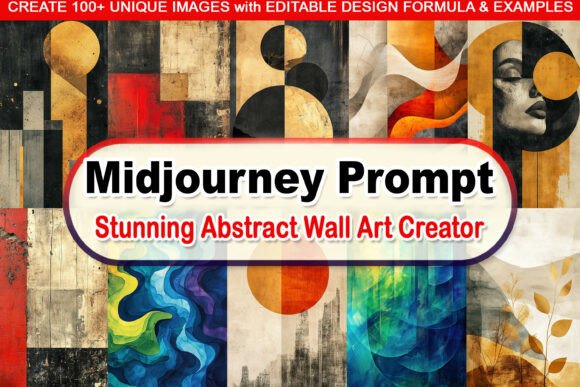
Editable Prompt - Abstract Wall Art: A Practical Evaluation
In the evolving landscape of digital design, tools that bridge the gap between static assets and dynamic creation are gaining traction. One such tool is the Editable Prompt - Abstract Wall Art. Unlike traditional stock photography or pre-made clipart packs, this product is not a collection of images but rather a set of instructions designed for artificial intelligence image generators. It empowers users to create custom, high-resolution abstract visuals tailored to specific color palettes and stylistic needs. For designers, crafters, and hobbyists, understanding the mechanics and utility of this prompt-based approach is essential before making an investment.
Understanding the Product Structure
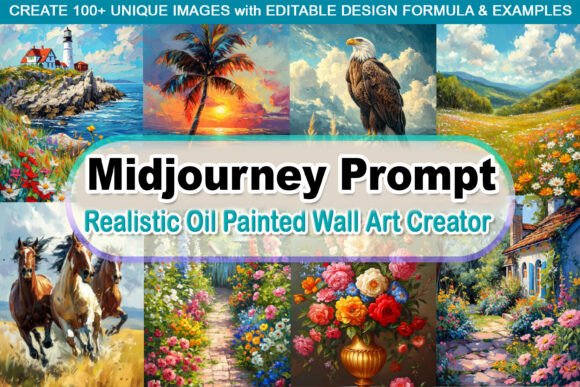
The core concept behind the Editable Prompt - Abstract Wall Art is the separation of the creative engine from the output. When a user purchases this item, they do not receive a folder of JPEGs or PNGs. Instead, the delivery is typically a PDF document containing a structured text string optimized for AI models like MidJourney, DALL·E, or Leonardo.ai. This text string, or "prompt," describes a specific visual style—often focusing on realistic pastel 3D liquid flow patterns—and includes placeholders for customization.
The workflow relies on the user copying this text and inserting their own variables into designated brackets. For instance, where the prompt might read "[insert color]," the user replaces that bracketed section with "teal and gold." The AI generator then interprets this modified instruction to produce a unique image. This distinction is critical: the product is a template for generation, not the final asset itself. Users must have access to a compatible AI platform to utilize the content effectively.
Reasons for Interest in Prompt-Based Design
Several factors drive interest in editable prompts over standard digital downloads. The primary advantage is infinite variability. With a single prompt, a designer can generate hundreds of unique variations by simply changing the subject matter or color scheme. This is particularly valuable for projects requiring cohesive yet distinct visuals, such as a series of posters, a line of stickers, or custom packaging designs.
Furthermore, the ability to insert specific objects allows for personalization that static clipart cannot match. A pet lover, for example, could modify the prompt to include a silhouette of their specific dog breed within the abstract liquid pattern, creating a one-of-a-kind piece of wall art. This level of customization appeals to individuals seeking unique decor without the cost of commissioning a human artist for every iteration.
Cost efficiency is another significant driver. Purchasing a library of high-quality, royalty-free abstract images can be expensive if many variations are needed. A single prompt purchase offers a low upfront cost for unlimited potential outputs, provided the user has a subscription or credits for the AI generator itself.
Benefits and Tradeoffs
Evaluating the Editable Prompt - Abstract Wall Art requires a balanced look at its advantages against its limitations.
Key Benefits:
- Customization: Users control every aspect of the final image, from color gradients to texture density.
- Scalability: Prompts often generate high-resolution seeds that can be upscaled for large-format printing, such as canvas prints or billboards.
- Flexibility: The same structural prompt can be adapted for different mediums, from digital wallpapers to physical product mockups.
- Learning Opportunity: Using these prompts helps users understand the syntax and logic required for effective AI image generation.
Notable Tradeoffs:
- Technical Barrier: Success depends on the user's familiarity with AI tools. Without knowledge of how to use MidJourney or similar platforms, the PDF file is useless.
- Inconsistency: AI generation is probabilistic. While the prompt guides the style, the exact output may vary slightly each time, requiring multiple attempts to achieve perfection.
- Dependency: The value of the prompt is tied to the availability and pricing of the AI service used to execute it.
Situations Where This Tool Is a Strong Fit
The Editable Prompt - Abstract Wall Art is an excellent choice for specific scenarios. It is ideal for small business owners who need a steady stream of unique marketing materials without hiring a graphic designer for every task. If a shop sells custom mugs or phone cases, the ability to quickly generate a new abstract background for each order is a significant operational advantage.
It also fits well for interior design enthusiasts looking for bespoke wall art. Standard gallery prints often lack uniqueness; using an editable prompt allows an individual to create a piece that matches their room's exact color palette perfectly. Additionally, it serves as a practical resource for students learning about generative AI, offering a concrete example of how prompt engineering influences visual outcomes.
When Alternatives May Be Preferable
Despite its flexibility, there are situations where purchasing a prompt is not the most efficient path. If a user requires immediate results without any technical setup, a pre-made digital download is superior. For those unfamiliar with AI interfaces, the learning curve associated with setting up accounts, managing credits, and refining prompts can be frustrating and time-consuming.
Furthermore, if the project demands strict brand consistency where every pixel must be identical across multiple products, AI generation might introduce unwanted variance. In cases where legal certainty regarding copyright ownership of the generated image is paramount, relying on established stock photo libraries with clear licensing agreements may be safer than navigating the complex intellectual property landscape of AI-generated content.
Practical Decision-Making Insights
Before deciding to acquire the Editable Prompt - Abstract Wall Art, potential buyers should assess their current toolkit. Do you already have an active subscription to MidJourney, DALL·E, or Leonardo? If not, factor the cost of those subscriptions into your total budget. The prompt itself is only one component of the production pipeline.
Consider your tolerance for iteration. Creating the perfect image with AI often involves generating dozens of versions to find the right composition. If you prefer a "buy and use" workflow with zero trial and error, this product may not align with your goals. However, if you enjoy the creative process of tweaking parameters and exploring visual possibilities, the prompt offers a powerful gateway to personalized design.
Finally, verify the format of the deliverables. Ensure the PDF instructions are clear and that the prompt structure is compatible with your preferred AI tool. Reading reviews or previews of the guide can help determine if the instructions are accessible for your skill level. By weighing these factors, you can determine if this editable prompt solution truly meets your specific design needs.