Turquoise Liquid Metal Texture: Defining the Future of Digital Aesthetics
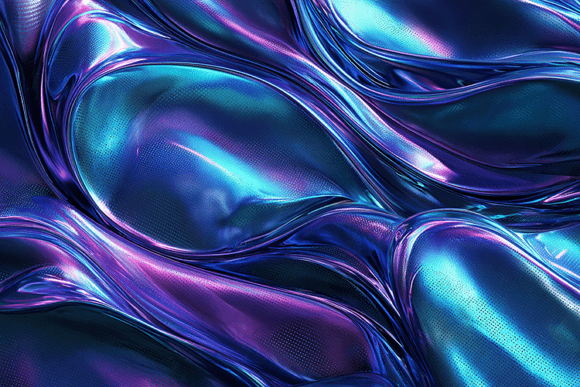
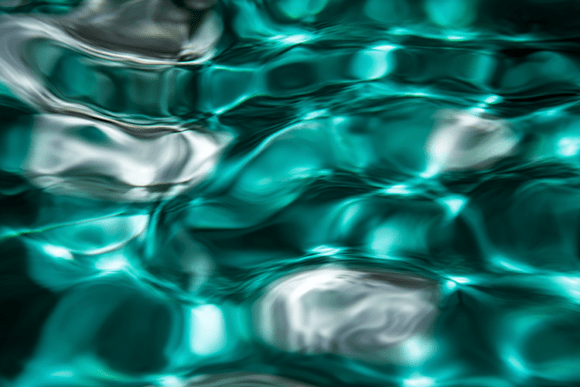
In the rapidly evolving landscape of digital design, few visual elements capture the imagination quite like a high-fidelity Turquoise Liquid Metal Texture. This specific aesthetic combines the organic unpredictability of fluid dynamics with the sleek, polished precision of industrial chrome. When rendered at a resolution as substantial as 5824 x 3264 pixels, the result is not merely a background image but a sophisticated resource capable of elevating entire creative projects. The interplay between the cool, calming tones of turquoise and the aggressive, futuristic sheen of liquid metal creates a unique visual tension that resonates across various industries, from high-end fashion to cutting-edge technology branding.
The allure of this texture lies in its ability to bridge the gap between natural forms and synthetic perfection. Unlike static geometric patterns or flat color fields, a Turquoise Liquid Metal Texture suggests movement and depth even when viewed on a stationary screen. The smooth, reflective waves mimic the behavior of molten mercury or polished aluminum, while the turquoise hue injects a sense of luxury and tranquility often missing in traditional metallic designs. For professionals seeking to modernize their visual identity, understanding the nuances of this material representation is essential for leveraging its full potential.
The Physics of Visual Depth in High-Resolution Textures
To truly appreciate the value of a Turquoise Liquid Metal Texture, one must understand the technical specifications that make it effective. The dimension of 5824 x 3264 pixels places this asset firmly in the realm of professional-grade print and large-format digital display. At this resolution, the subtle gradients and micro-reflections that define the "liquid" quality remain crisp and distinct, avoiding the pixelation or blurring that plagues lower-resolution assets. This clarity is critical when the texture is intended for physical media, such as posters, packaging, or architectural visualization renders.
The "liquid" aspect of the design relies heavily on complex lighting simulations. In a high-quality JPG file, these simulations create a sense of volume. The chrome-like finish acts as a mirror, reflecting imaginary light sources to create highlights and shadows that contour the surface. When the base color is shifted to turquoise, the reflection takes on a cyan-tinted warmth, altering the perceived temperature of the object. This chromatic shift is what separates a generic silver metal texture from a luxurious, bespoke design element. The smoothness of the waves implies a low-viscosity fluid frozen in time, offering a visual experience that feels both tactile and ethereal.
Strategic Applications in Modern Design Workflows
The versatility of a Turquoise Liquid Metal Texture makes it a staple in diverse creative workflows. Its primary strength lies in its adaptability; it can serve as a dominant focal point or a subtle undercurrent depending on how it is manipulated within a composition. For graphic designers creating digital papers or scrapbooking backgrounds, this texture provides an instant layer of sophistication. It transforms simple layouts into dynamic canvases that demand attention without overwhelming the content placed upon them.
- Brand Identity and Logo Design: Tech startups and luxury brands often utilize metallic textures to convey innovation and premium quality. Applying a turquoise liquid metal effect to a logo can signal a brand's commitment to future-forward thinking while maintaining an elegant, approachable color palette.
- 3D Modeling and Rendering: In the world of 3D design, mapping this texture onto curved surfaces enhances realism. The way the light interacts with the virtual "liquid" helps artists sell the illusion of weight and materiality, making characters, vehicles, or environments appear more tangible.
- Poster Art and Marketing Collateral: Large format prints benefit immensely from the high resolution of the source file. Whether used for music festival posters, corporate event banners, or art gallery displays, the texture ensures that fine details are preserved even when viewed up close.
Furthermore, the texture serves as an excellent foundation for typography. Placing bold, sans-serif type over the reflective waves creates a striking contrast. The opacity and blending modes available in modern design software allow text to interact with the underlying metal, appearing as if it is either embedded within the liquid or floating just above its surface. This interaction adds a layer of narrative to the design, suggesting themes of immersion, flow, and transformation.
Enhancing User Interfaces and Web Experiences
Beyond print and static graphics, the application of a Turquoise Liquid Metal Texture extends into user interface (UI) design. While web design trends often favor minimalism, there is a growing niche for immersive, atmospheric interfaces where background textures play a crucial role. A section of a website featuring this texture can act as a visual break, guiding the user's eye toward key calls to action or important information blocks.
However, implementation requires careful consideration of performance. Because the original file is a high-quality JPG at nearly six thousand pixels wide, direct use on a webpage may slow down load times. Best practices involve optimizing the asset for web delivery by compressing it without sacrificing the integrity of the reflective highlights. Alternatively, designers can extract smaller sections of the texture to create seamless loops or pattern repeats that maintain the aesthetic while adhering to strict bandwidth constraints. The goal is to retain the luxurious feel of the chrome-like finish without compromising the user experience.
The Psychology of Color and Material in Consumer Perception
The choice of turquoise within a metallic context is not arbitrary; it carries significant psychological weight. Turquoise is historically associated with healing, communication, and calmness. When fused with the hardness and coldness of metal, it creates a paradoxical sensation of "warm steel." This combination appeals to consumers who desire strength and reliability but also seek comfort and emotional resonance. In marketing, this duality can be powerful. A product packaged with a Turquoise Liquid Metal Texture suggests that it is both technologically advanced and human-centric.
Research into consumer behavior indicates that textured backgrounds influence purchasing decisions by adding perceived value. A flat, solid color might suggest a budget option, whereas a complex, reflective texture implies craftsmanship and attention to detail. The "luxurious" descriptor often attached to this style is well-earned. The visual complexity mimics expensive materials like polished gemstones or rare alloys, triggering a subconscious association with high cost and exclusivity. This makes the texture particularly effective for limited edition releases, premium service offerings, or products targeting an affluent demographic.
Navigating Trends in Futuristic Aesthetics
As we move further into the era of artificial intelligence and augmented reality, visual languages are shifting toward the hyper-real and the surreal. The Turquoise Liquid Metal Texture sits squarely at the intersection of these trends. It embodies the "cyber-luxe" aesthetic, a sub-genre of futurism that prioritizes elegance over grit. Unlike the dark, grungy cyberpunk styles of the past, this look is clean, bright, and optimistic.
Designers observing current market trends will notice a surge in the use of fluid dynamics in branding. Companies are moving away from rigid grids and straight lines, embracing curves and flows that mimic nature. The liquid metal texture perfectly encapsulates this shift. It represents a world where technology is no longer a cold, unyielding force but something malleable, responsive, and beautiful. By incorporating this texture into their work, creators align themselves with a forward-thinking visual culture that values adaptability and aesthetic refinement.
Technical Considerations for Print and Production
For those intending to use the Turquoise Liquid Metal Texture in physical production, understanding the file characteristics is paramount. The specification of a "Print Ready" JPG indicates that the image has been prepared with sufficient DPI (dots per inch) to withstand reproduction at large scales. However, the nature of metallic finishes in print presents unique challenges. Standard CMYK printing struggles to replicate the true reflectivity of chrome.
To achieve the desired effect, printers often recommend using spot varnishes, foil stamping, or specialized metallic inks alongside the base print. The digital texture serves as the blueprint for these effects. Areas designated as "highlights" in the image can be treated with glossy varnish to catch the light, while the darker, shadowed areas of the turquoise waves provide the necessary contrast. Without these additional finishing techniques, the printed result may appear flat, losing the three-dimensional illusion created by the digital file.
Additionally, color management is critical. The specific shade of turquoise can vary significantly between monitors and printed outputs. Professionals should always request a proof before committing to a full run. The goal is to ensure that the turquoise does not shift too far toward green or blue during the conversion process, which would alter the mood of the piece. Maintaining the balance between the cool metal tones and the vibrant turquoise is what preserves the texture's signature look.
Integrating Resources into Creative Ecosystems
The availability of resources like the Turquoise Liquid Metal Texture through platforms such as Creative Fabrica has democratized access to high-end design assets. Hobbyists, educators, and small business owners can now incorporate visuals that were once the exclusive domain of major advertising agencies. This accessibility fosters creativity, allowing individuals to experiment with complex aesthetics without needing advanced 3D rendering skills.
For educators, this texture offers a rich subject for teaching lessons on light, color theory, and material properties. Students can analyze how the waves distort light or how the color shifts across the surface. For researchers in visual arts, the texture serves as a case study in the evolution of digital materials. As tools become more sophisticated, the line between a photograph of a real object and a digitally generated texture becomes increasingly blurred, raising interesting questions about authenticity and creation in the digital age.
Ultimately, the utility of a Turquoise Liquid Metal Texture extends beyond its immediate visual appeal. It is a tool for storytelling, a vehicle for brand expression, and a testament to the capabilities of modern digital art. Whether used to create a stunning poster, enhance a 3D model, or define a new brand identity, this texture offers a versatile and powerful solution for those looking to make a lasting impression. By understanding its properties and applications, creators can harness its potential to craft visuals that are not only seen but felt.